
From our blog
Articles & insights
guides
Practical Guides
Step-by-step resources to help you evaluate use cases, plan implementation, and roll out automation with confidence.
FAQ
Common questions
Everything you need to know before we start working together.
What is factory automation?
Factory automation uses control systems, machines, sensors, robots and software to perform manufacturing operations with minimal manual intervention. It helps improve productivity, consistency, quality and workplace safety.
What is the difference between factory automation and process automation?
Factory automation generally focuses on discrete manufacturing activities such as assembly, packaging, material handling and machine operations. Process automation focuses on continuously controlling variables such as temperature, pressure, flow and level in industries such as chemicals, oil & gas, power and pharmaceuticals.
What role do PLC and SCADA systems play in automation?
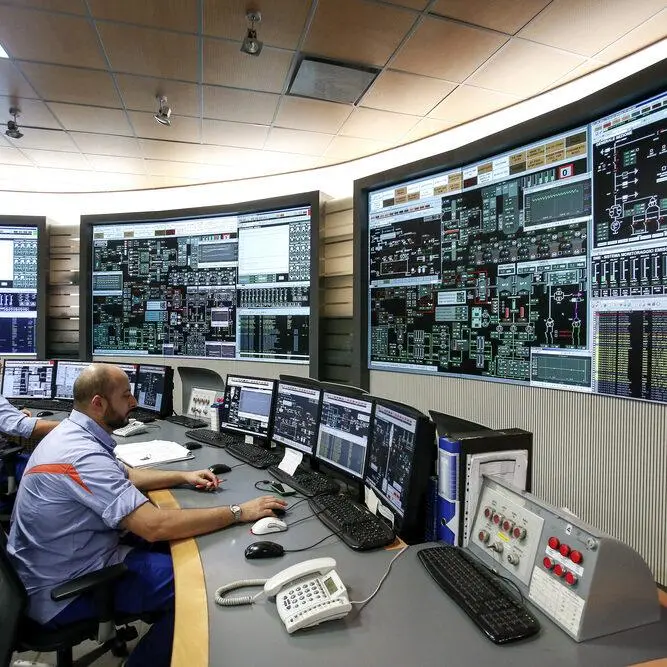
A PLC (Programmable Logic Controller) performs real-time control of machines and processes, while SCADA (Supervisory Control and Data Acquisition) provides monitoring, visualization, alarms and data collection. Together, they provide an important foundation for industrial automation.
How can automation reduce machine downtime?
Automation systems can continuously monitor equipment parameters such as temperature, vibration, current and operating status. By identifying abnormal conditions early, maintenance teams can take action before a minor issue develops into a major equipment failure.
How does Industry 4.0 improve industrial automation?
Industry 4.0 connects automation systems with technologies such as Industrial IoT, cloud and edge computing, AI, robotics and advanced analytics. This allows manufacturers to collect and analyze real-time data, improve decision-making, optimize processes and move toward smarter, more connected factories.